Basement Waterproofing in Sioux Falls, SD
Protect Your Basement From Water Damage
Water in a basement can lead to much more than an inconvenient puddle. Persistent moisture may contribute to mold growth, damaged flooring and walls, musty odors, and potential structural concerns.
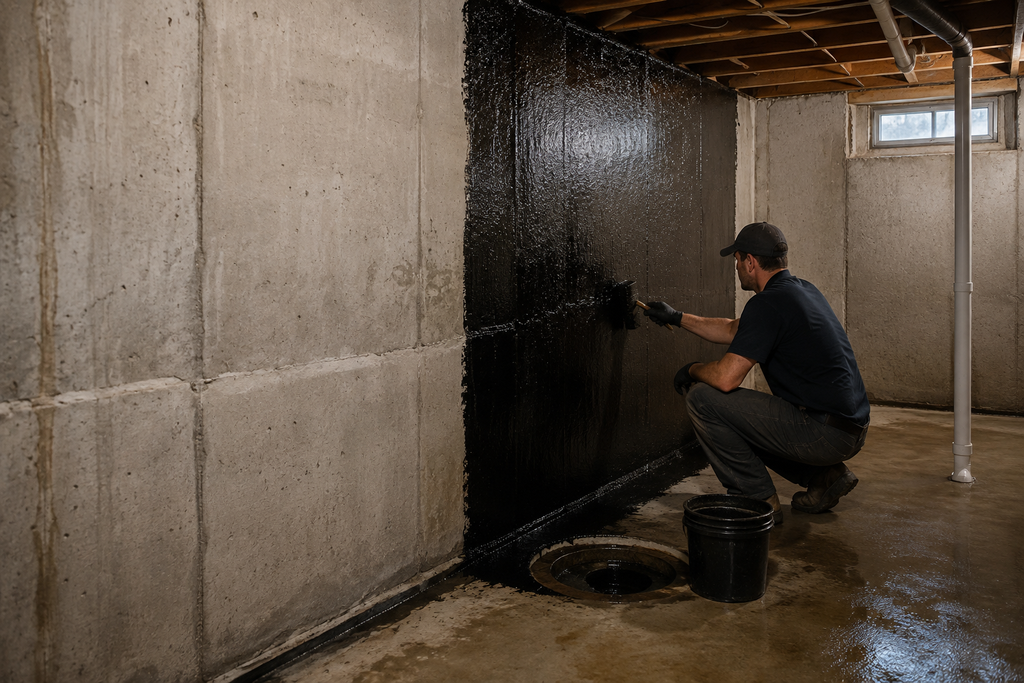
Basement waterproofing solutions are designed to identify where water is entering and address the conditions contributing to the problem. Depending on the source of the moisture, the right approach may involve interior drainage, sump pump systems, crack repair, exterior water management, or other waterproofing methods.
If you are dealing with a wet or damp basement in the Sioux Falls area, understanding the cause is an important first step toward finding the right solution.
Common Signs You May Need Basement Waterproofing
Basement water problems are not always obvious. In some homes, moisture enters slowly and may go unnoticed until damage has already occurred.
Common warning signs include:
- Water on the basement floor
- Damp or wet basement walls
- Musty odors
- Mold or mildew growth
- Peeling paint or wall finishes
- White, chalky deposits on concrete walls
- Water entering after heavy rain
- Cracks in basement walls or floors
- Persistent humidity or moisture
- Damage to carpeting, flooring, or stored belongings
Even a small amount of recurring moisture can indicate an underlying drainage or waterproofing issue.
Basement Waterproofing Solutions
There is no single solution for every wet basement. The most appropriate approach depends on where the water is coming from and how it is entering the home.
Interior Waterproofing
Interior waterproofing systems are designed to manage water that enters around the foundation or basement walls.
Depending on the situation, an interior solution may include drainage systems that collect and direct water away from the basement.
This approach can help keep the basement dry while reducing the risk of recurring water damage.
Sump Pump Systems
A sump pump is often an important part of a basement waterproofing system.
Water collected by an interior drainage system can be directed to a sump basin, where the pump moves the water away from the home’s foundation.
A properly functioning sump pump can be particularly important during periods of heavy rain or when groundwater levels rise.
Learn more about Sump Pump Installation →
Foundation Crack Repair
Cracks in foundation walls or basement floors can create pathways for water to enter the home.
Some cracks may be relatively minor, while others can allow significant moisture intrusion.
Foundation crack repair methods vary depending on the type, location, and severity of the crack.
Learn more about Foundation Crack Repair →
Interior Drainage Systems
Interior drainage systems are designed to collect water entering around the foundation and direct it toward a sump pump or appropriate discharge point.
These systems can be an effective solution when water pressure around the foundation causes recurring basement moisture or flooding.
Learn more about Interior Drainage Systems →
Why Basements Develop Water Problems
Basement water problems can develop for several reasons. Some of the more common causes include:
Poor Exterior Drainage
Rainwater should drain away from the home’s foundation. Improper grading, clogged gutters, or poorly positioned downspouts can allow water to collect near the foundation.
Hydrostatic Pressure
When water builds up in the soil surrounding a foundation, pressure can increase against basement walls and floors. This pressure may force water through cracks, joints, or other vulnerable areas.
Foundation Cracks
Concrete can develop cracks over time. When cracks extend through basement walls or floors, they may provide an entry point for water.
Rising Groundwater
High groundwater levels can contribute to moisture problems and may increase the need for an effective drainage and sump pump system.
Aging or Inadequate Waterproofing
Older homes may have waterproofing systems that are no longer performing effectively or were not designed to address current drainage conditions.
Choosing the Right Waterproofing Solution
The goal of basement waterproofing is not simply to cover up the visible signs of water. Identifying the source of the problem is important.
A solution may involve one method or a combination of approaches, depending on the home’s foundation, drainage conditions, and the nature of the moisture problem.
Possible solutions may include:
- Interior drainage systems
- Sump pump installation or replacement
- Foundation crack repair
- Crawl space waterproofing
- Moisture and mold control
- Improvements to water management around the foundation
The right solution depends on the specific conditions affecting the home.
Protect Your Home From Ongoing Moisture Problems
Ignoring a recurring basement water problem can allow the issue to become more expensive over time. Moisture can affect finished basement spaces, stored belongings, flooring, wall materials, and indoor air quality.
Addressing the problem early can help homeowners better understand what is causing the water intrusion and what options may be available to correct it.
Frequently Asked Questions About Basement Waterproofing
How do I know if my basement needs waterproofing?
Recurring water, damp walls, musty odors, mold growth, white deposits on concrete, or water appearing after rainfall can all indicate a moisture problem that should be investigated.
Can basement waterproofing stop water from coming back?
The effectiveness of a waterproofing solution depends on correctly identifying the source of the water and using an appropriate solution for the specific conditions.
Is a sump pump enough to keep a basement dry?
A sump pump can be an important part of a waterproofing system, but it may not address every source of moisture. In some situations, drainage improvements, crack repair, or other waterproofing methods may also be needed.
What causes water to enter a basement?
Common causes include poor exterior drainage, hydrostatic pressure, foundation cracks, rising groundwater, and water collecting around the home’s foundation.
Can a damp basement cause mold?
Persistent moisture can create conditions that support mold and mildew growth. Addressing the source of the moisture is an important part of controlling the problem.
Explore Basement Waterproofing Solutions
If you are experiencing water, moisture, or recurring dampness in your basement, explore the available waterproofing options and learn more about the solutions that may address your specific situation. Visit our Home page.
To determine if your basement waterproofing project requires a building permit, visit the City of Sioux Falls Buildings Inspections website.
